Category Archives: Book Reviews

BOOK REVIEW: SULA BY Toni Morrison

“Each time she said the word me there was a gathering in her like power, like joy, like fear.”
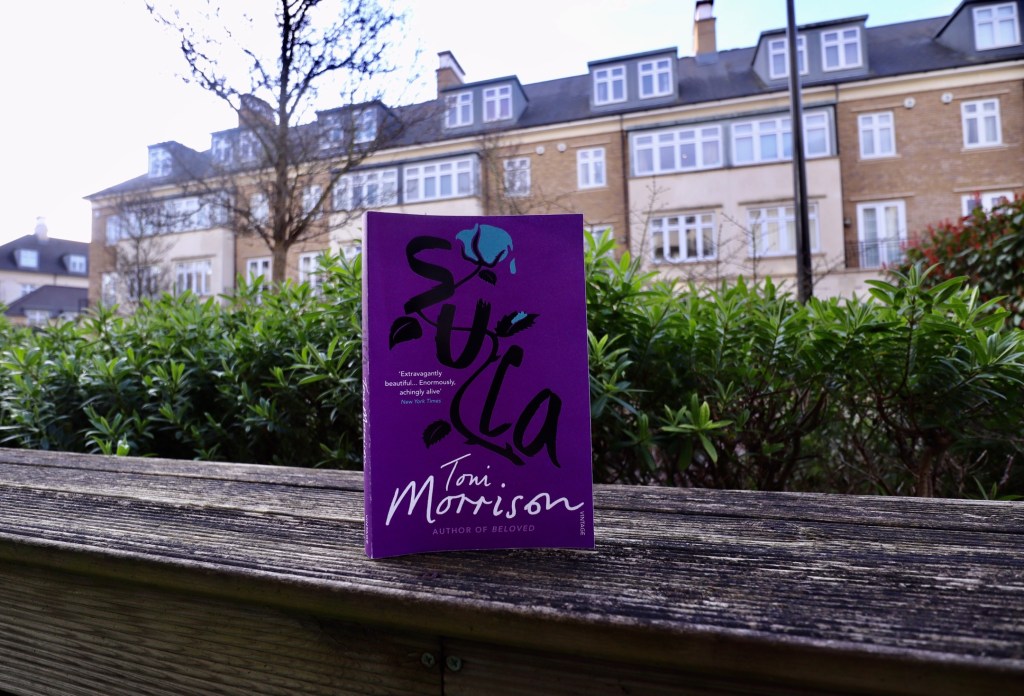
The question of freedom has always been an interesting one for me. Maybe it’s because I come from a country where Freedom only became a reality for people like me 27 years ago. Or maybe it’s because even with that I realised that being a woman and African meant that freedom might just be an elusive concept for me. However, even with that understanding, I have always been wildly interested in the notion of freedom and complete autonomy over myself. I have spent many nights and many days ruminating over what it means to be free and how it that freedom manifests in various places in our lives. Sula by Toni Morrison is a book that explores this very concept of freedom and how it intersects at a crossroads of Blackness and Womanhood. 

Sula was first published in 1973 and is Toni Morrison’s second published novel. Anyone who has read Toni Morrison will tell you that she does not write for half-hearted readers. She writes for people who are willing to get down in the trenches with her. People who are willing to ask the writer questions and aren’t scared to have those same questions pointed right back at them. That is the beauty of Toni Morrison, she requires your full attention before, during and after you read her work. 

“Because each of them had discovered yers before that they were neither white nor male, and that all freedom and triumph was forbidden for them, they had set about creating something else to be.”

In Sula we follow the life of a woman who Toni Morrison referred to as “whimsical and who follows her own instincts”. We meet Sula and her best friend Nel as they grow up, find each other and create a home for one another within each other.  We follow their lives and the lives’ of the women who shape them. We read along as Sula and Nel become too different in their views and in their womanhood. Nel lives a life that is seen as typical by many standards; married with children and living in her hometown. Sula follows a path of independence going off to college only to return to her little town completely belonging to herself.  
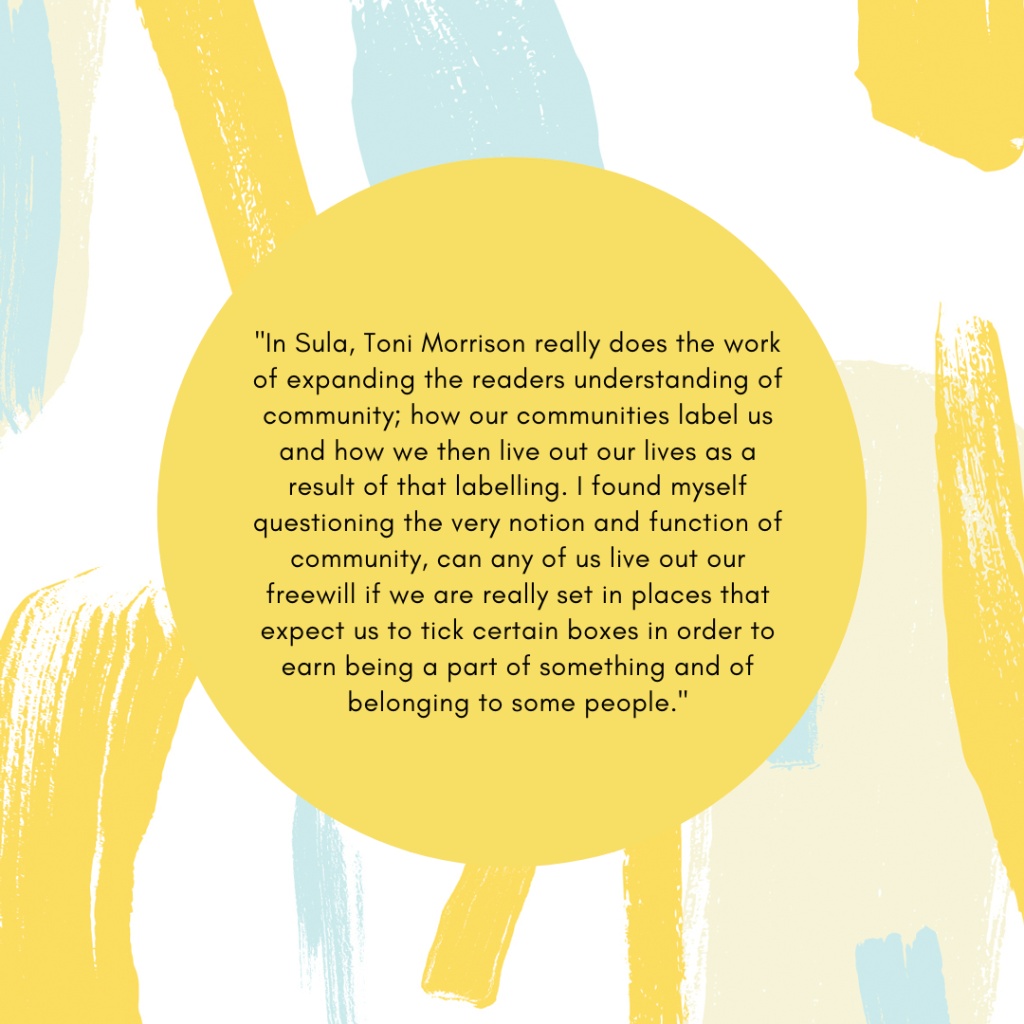
Toni Morrison does such a great job at exploring the different manifestations of what it means to be free, Black and a woman in the United States from the 1920s  to the 1960s. We experience freedom through the Peace women who are not bound to anyone other than each other which is in itself is another type of confinement. Our understanding of freedom is further stretched when Sula dismisses familial obligations by severing ties with her own family but also by bringing into question the foundations of Nel’s family and the families of other women in the small town of Medallion. We see people act a certain way in her presence. In Sula, Toni Morrison really does the work of expanding the readers understanding of community; how our communities label us and how we then live out our lives as a result of that labelling. I found myself questioning the very notion and function of community, can any of us live out our freewill if we are really set in places that expect us to tick certain boxes in order to earn being a part of something and of belonging to some people. Sula is a great book for questioning and I enjoyed the pacing of the book. It seemed to pause just when I need a break and throw me back into the story when I was ready to dive back in.

“Yes. But my lonely is mine. Now your lonely is somebody else’s. Made by somebody else and handed to you. Ain’t that something? A second handed lonely.”

One of the things I love about Toni Morrison’s work is that she does not write good and bad characters. I don’t think it is ever clear when leaving her work who is the good, the bad nor the ugly. You walk away with questions. Questions about what you see as good and questions about the lenses that you have been provided with that allow you to see certain things as bad and only attributable to bad people. I enjoyed this tone in Sula. I enjoyed the curiosity I held throughout the book about whose side I was supposed to be on and in the end I came to the realisation that the imperfect characters were by design. That not knowing is intentional because it is mirror of life, of the unknowingness of whether you are good or bad and then falling to an understanding that you are neither. 

Sula is definitely a book for the ages that will need to be read over and over to fully uncover the messages in the book. There are some things that I am still unsure about but I am one hundred percent sure that it will be a book that I read over and over again. If you haven’t read it I would highly recommend that you pick it up. 

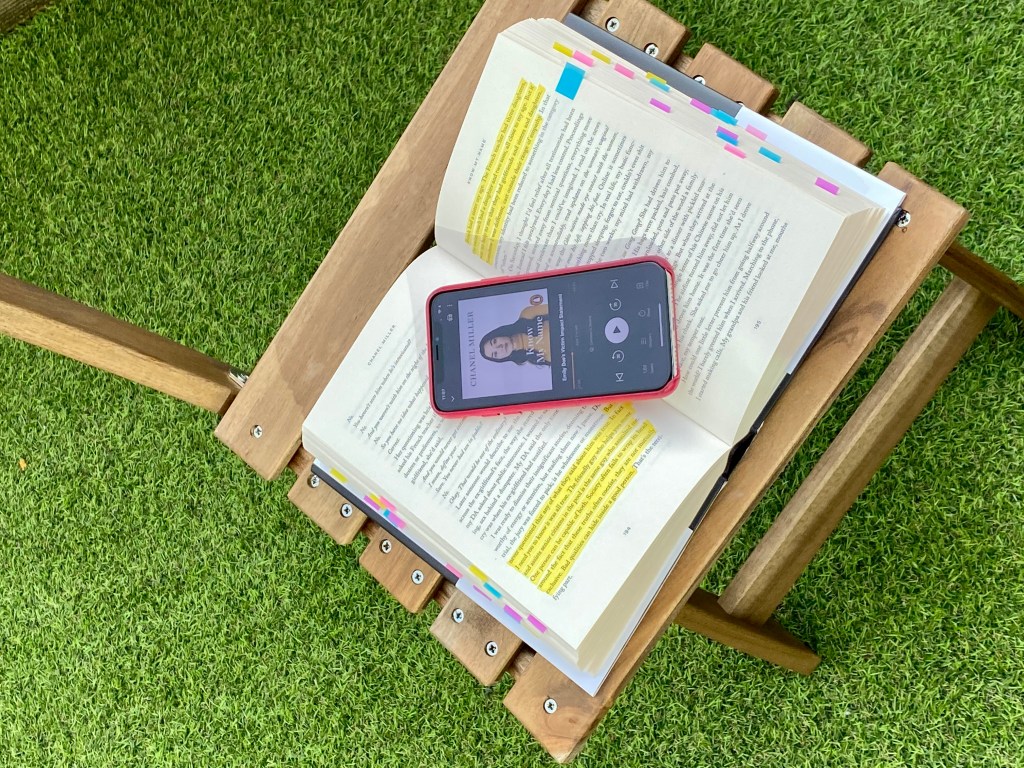
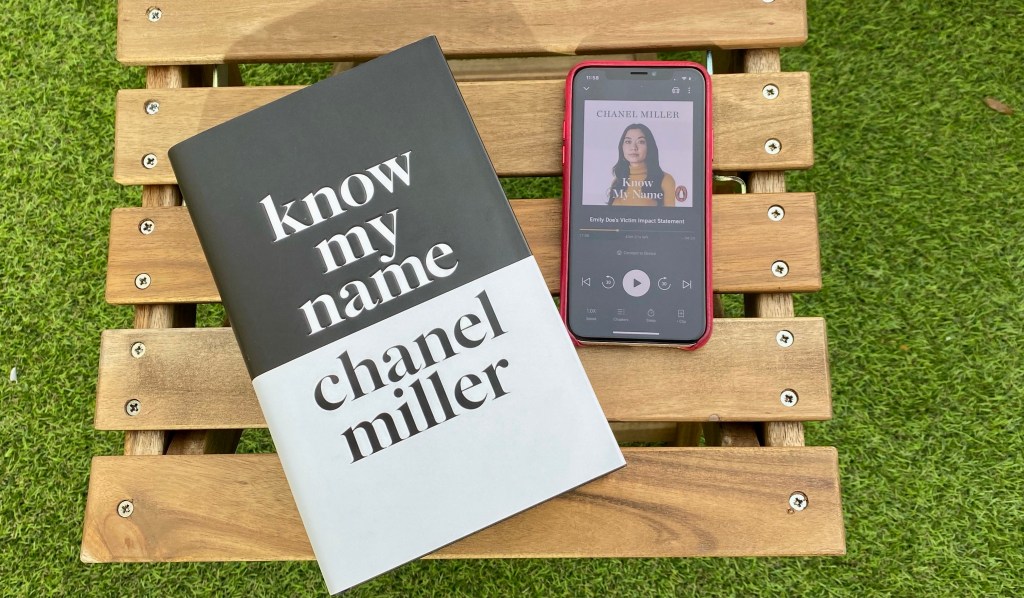
BOOK REVIEW: Know My Name

“If my name came out, what would they even say? Chanel who works a nine-to-five entry-level job , had never been to London.”  

*Deep inhale, deep exhale* this book should be required reading. If not this book then at the very least Chanel Miller’s victim statement should be required reading. This is an important book. 

I don’t think that even now, as I type, I have figured out a way to review this book in a way that will do it justice. This book has joined the ranks as one of my favourite non-fiction reads of all time. This book felt important. I’ll be honest and say I put it off for some time because I simply wasn’t ready and while reading it I realised that my readiness had to be secondary for all the Emily Doe’s in the world, my readiness would have to take the back seat. 

I knew a few things goings into Chanel Miller’s Know My Name. I knew that in 2015 there was a Stanford rape case that somehow made its way to me, all the way in Johannesburg even though I had never been to Stanford. I knew that the most important thing that the media felt I needed to know about the case was that the accused was a really, really good swimmer. And finally, I knew that Chanel Miller was previously known as Emily Doe and that she had written a book about the events of that one night in January 2015 and the events that followed. 

I knew nothing about Chanel. I didn’t know whether she liked drawing, whether she liked cooking, whether her own future had been promising and whether or not she could even swim. Despite this, I came to this book incredibly aware that I knew a lot of Chanel’s, I also knew that I have been almost been a Chanel multiple times (I have also had some Swedes in my life) and I also knew that I needed to read this book for all those other soon-to-be Chanel’s. 

In reviewing this book I have considered simply taking pictures of the words in the book, putting them here and saying “yeah, what she said” and walking away but I am not going to do that, this book deserves a lot more than that. 

“What the fuck are you doing? She’s unconscious.

Do you think this is okay?

What are you smiling about?

Say sorry to her.”

Know My Name starts off with the author recalling everything that happened that evening before she went out. As I was reading the book I realised how detailed Chanel Miller told the stories about that night and how after that one moment of her memory loss she seemed to remember everything else with so much precision and clarity, then it dawned on me that the reason Chanel Miller could remember everything after that morning so well was because once her name changed from who she was to Emily Doe and to victim, she had no other choice but to be very specific and clear about everything else. She was victim now and victims don’t have the luxury of misremembering or of not knowing exactly what colour shoes they were wore and what food they had and how it tasted as it hit the tongue. Victims are held to an impossible high standard of being the custodians of everyones memory. Something small that no one else would have to remember victims are not only expected to remember that but to also remember everyone else’s reaction to the thing that happened. 

“I wanted to trim all the fat, all these distractions, to show you the meat of the story.”

I don’t think I have a lot to say about this book because it quite literally took my breath away and I am so glad that it is out there in the world because this story not only deserved to be told but because Chanel Miller is an incredibly gifted writer. Know My Name is a story about becoming a victim and also about staying who you are and waking up to the realisation that this new title, that the world insists on only knowing you by, is less than even a fraction of who you are. 

“In each line I found common, common, a part of , everybody, everybody. This pattern was not an accident. He was leading Brock back into the herd, where he would blend into the comfort of community. Compare this to when he had questioned me: You did a lot of partying. You’ve had blackouts before. It was you and you, the lens fixed so close I was stripped of surrounding. For Brock, his goal was to integrate, for me it was to isolate.”

If you read this book you will be aware of the hyper vigilance that all women across the world are conditioned into. You will learn that a lot of the world believes that abusers are following the crowd and doing what everyone else is doing and that the victims are being divergent and somehow landing themselves in trouble. You will cry with the Miller family and every other family that has had to go through what they went through. You will also be slightly more hopeful about the kindness of strangers and everyday heroes who lift others up simply by doing what’s right. You will also walk away knowing somethings about Chanel, like that she loves her younger sister fiercely, that she loves to draw and that she has no issues with not fitting the mould of what a victim and survivor of sexual assault is. 

Read this book. Whoever you are, if you haven’t yet, read this book. I think that is all I can say about this book, I could probably say more but the message of “read this book” deserves to not be surrounded by clutter, so I will leave it here and ask you once again to read this book. 

“My writing is sophisticated because I had a head start, because I am years in the making, because  I am my mother and her mother before. When I write, I have the privilege of using a language that she fought her whole life to understand. When I speak in opposition, I am grateful my voice is uncensored. I do not take my freedom of speech, my abundance of books, my access to education, my ease of first language for granted. My mom is a writer. The difference is, she spent the first twenty years of her life surviving. I am a writer, who spent twenty years of my life fed and loved in a home and classroom.”

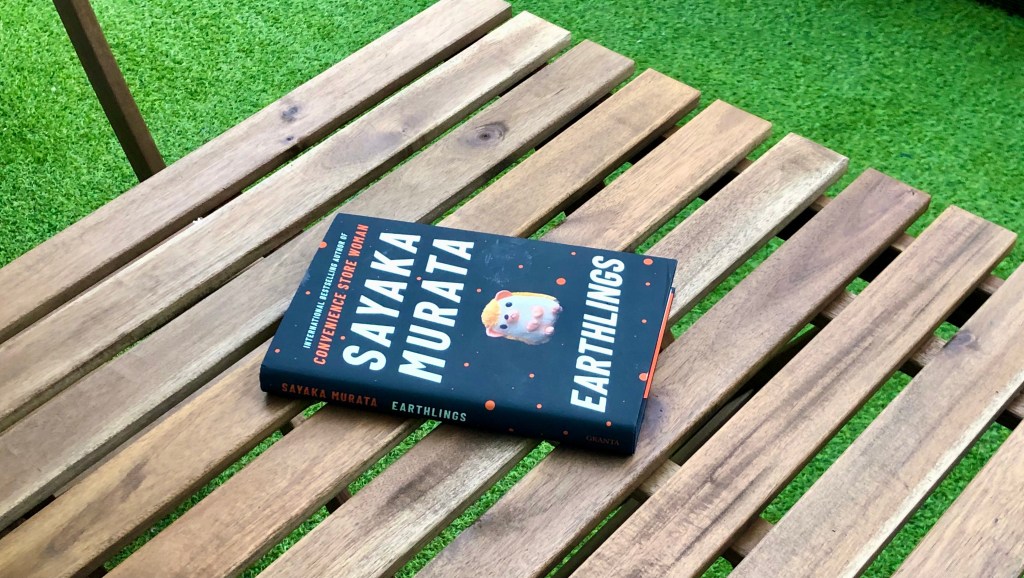
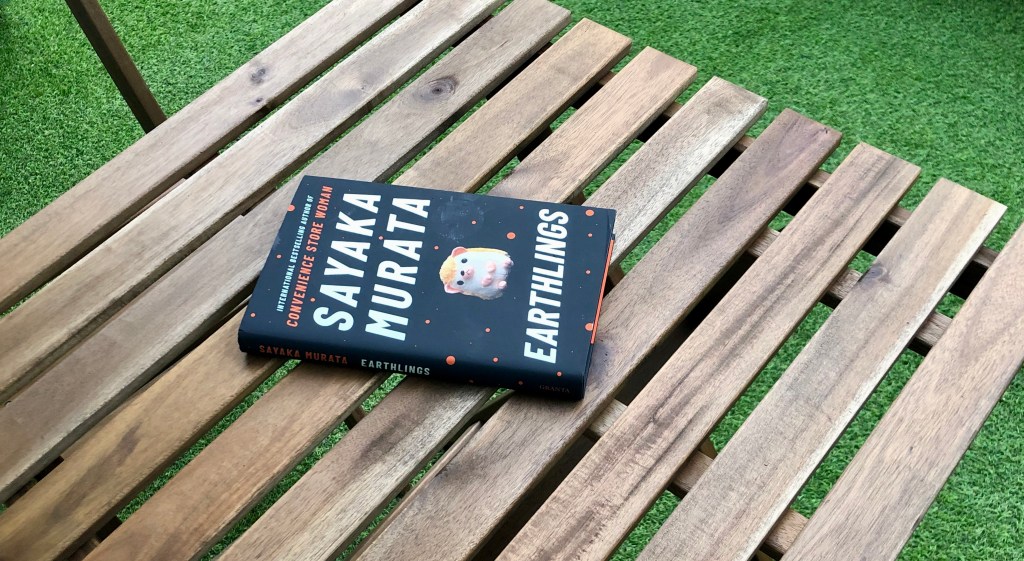
BOOK REVIEW: EARTHLINGS

“My town is a factory for the production of human babies. People live in nests packed closely together. It’s just like the silkworm room in Granny’s house. The nests are lined up neatly in rows, and each contains a breeding pair of male and female humans and their babies. The Breeding pairs raise their young aside their nests. I live in one of these nests too.”

Earthlings is a book by Japanese author Sayaka Murata. The book follows the life of a girl named Natsuki who isn’t like other girls. She is a girl who doesn’t quite fit into the world and has difficulty abiding by the the rules of the world that she lives in. She has an ally who thinks like her, her cousin Yuu, and after a series of traumatic events the two of them are separated from each other and they both go on to live their lives of assimilation. The book then continues on to follow Natsuki in her adulthood where she is married to an asexual man and is living her day-to-day life trying to lead a normal life, while secretly believing that she is an alien from another planet. 

I enjoyed Sayaka Murata’s writing. I think her style of writing is very accessible and she has a talent for creating characters that are on the outskirts of society’s definition of “normal” that the reader instantly cares for. In this book I think she did a good job, once again, of challenging what it means to be a person part of a large society that has it’s own expectations on your time, mind and your body. In this book Natsuki has no intention of having children and she admits that because of this she is a failed component of the human factory. I enjoyed that our protagonist had the self awareness to identify where society had failed her, for example when adults were happy to look the other way when she was abused as a child and when her family mistreated her, whilst on the other hand she did not have the awareness to realise when she had gone too far in living this life as an alien.

“What I’m really scared of is believing that the words society makes me speak are my own. You’re different. That’s how I know you’re from another planet.”

This book deals with a lot of big topics (sexual abuse of minors being one of them) and the progression of this book felt unnaturally paced, as though maybe we needed more pages in order to come to terms with the ending, or at least understand the ending. That is why this book was sort of a mid tier book for me. I think it’s one you can pick up if you’re looking for something dark and out of the box then you should definitely read this book (taking into account that it might be triggering for some). If you haven’t read Sayaka Murata’s first book I would recommend that you start there in order to understand and appreciate her writing style before getting into this book. 

This isn’t a book I can recommend to anyone and everyone but it is a book that I think will be enjoyed by some who appreciate the writing, want something a little different  and are able to follow along the story, so pick this one up if that sounds like you. 

Book review: The Best We Could Do

“Every casualty in war is someones grandmother, grandfather, mother, father, brother, sister, child, lover”

Up until very recently, I have shyed away from graphic books because I think somewhere between crossing the line from children’s books (which I am also back to reading because I love children’s books) and reading grown up books I adopted this strange fear that reading books with graphics and pictures wasn’t actually reading. I kept thinking this for a while, looking at graphic novels, touching them and then slowly backing away right before I was accused of not being a “real” reader. 

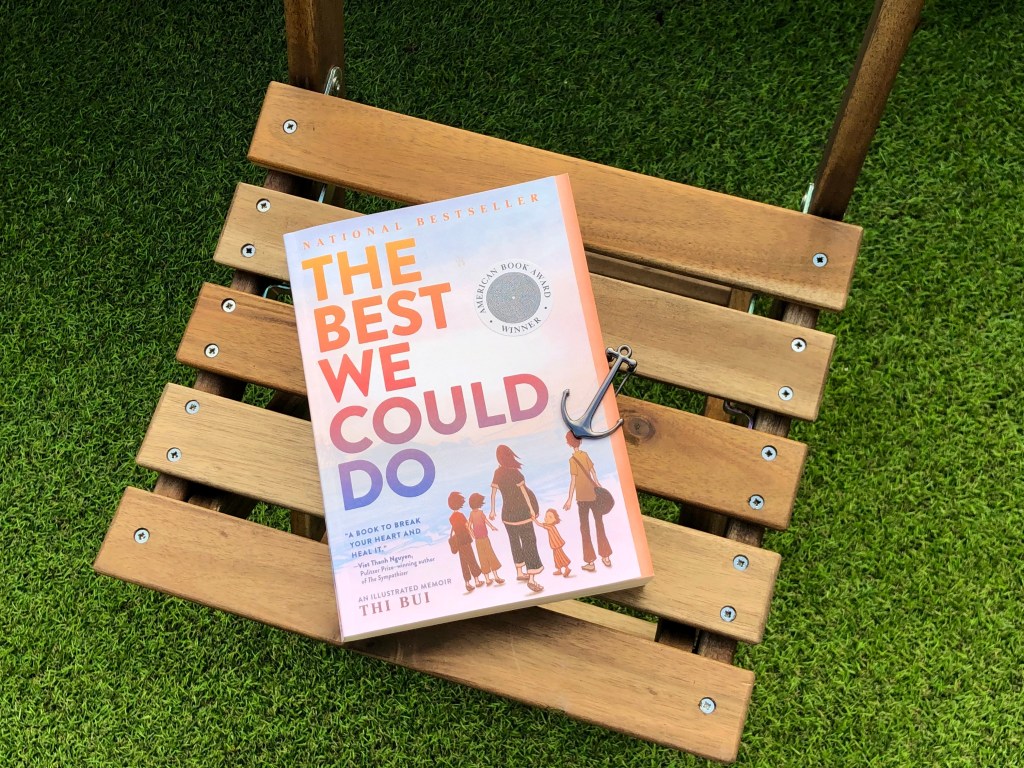
That is until I came across Thi Bui’s graphic memoir, “The Best We Could Do” and I decided that the story sounded far more important than any reading hang ups that I had developed over the years. I picked this beautifully illustrated and poetic book as my holiday read – thinking since I had recently moved to a new continent during a global pandemic I needed something light and  I am glad to say that this book went against all my expectations and did not give me the lightness I expected but rather gave me a need for deep and necessary reflection. 

The Best We Could Do is a graphic memoir of writer Thi Bui who was born three months before the end of the Vietnam War who moved to the United States in 1978. The book explores the lives of the author’s family before and after moving to the United States. It is a book about immigration, the lasting effects of being displaced and the impact on her family as a whole. Thi Bui was prompted to explore the story of her family and their origins after becoming a mother herself and reflecting on the innumerable sacrifices that her parents have made for her and her siblings. 

To say that I enjoyed this book is probably an under statement. I always love a book that makes me immediately pull up google and read up about a place or an event that took place that I never paid much attention to. Having grown up in South Africa there are just certain aspects of the world that I simply was not aware of. I took no history in school and even when I had the opportunity to learn I just wasn’t ready to read about the lives and the displacements of other people given the history of displacement that most South Africans have. The Best We Could Do is a story about life, love, war, the impact of war on life and love and so much more. It is a story about parenthood, about choosing a life not for yourself but for your children because you had to and nothing else mattered.  

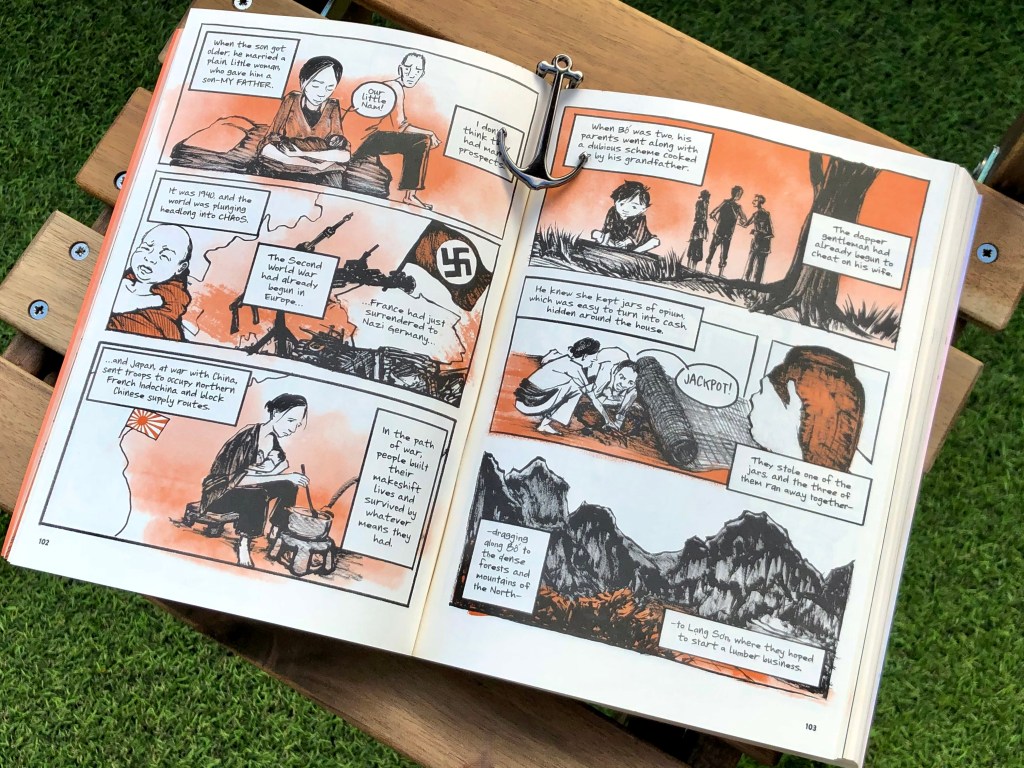
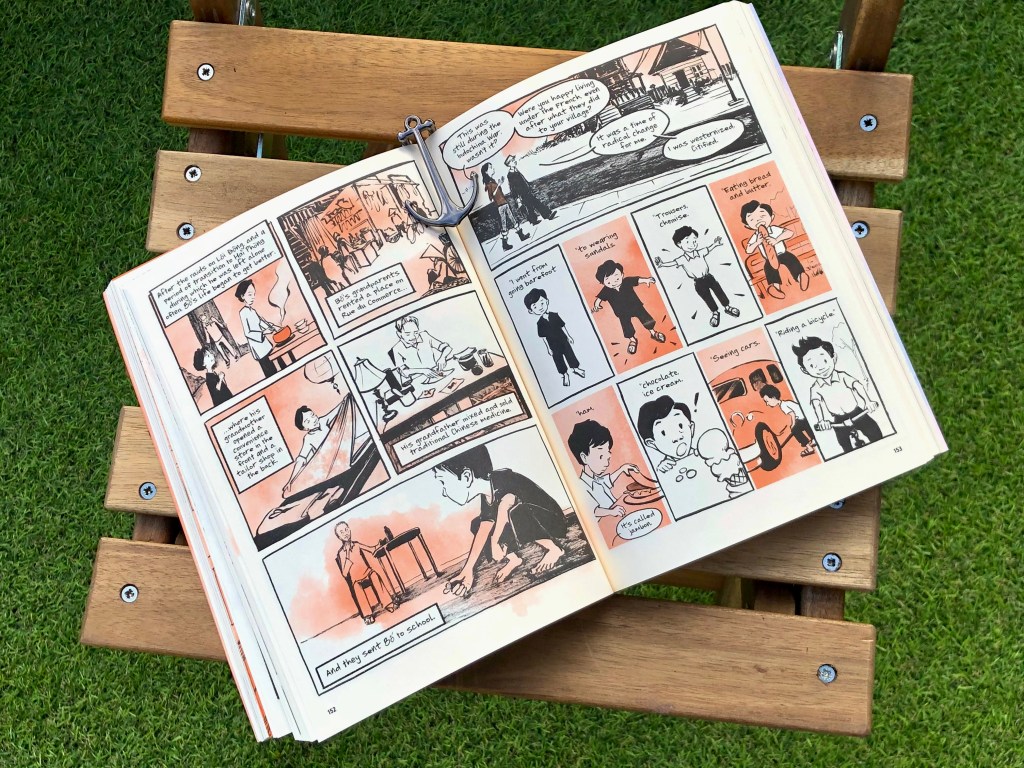
What the author does with the words and the imagery in this book is makes the reader go through an entire spectrum of emotions and by putting you in a position where you question what it feels like to be displaced and to have your entire world change, what it means to try your best to succeed in a foreign place and what if you had to do all that and still ensure that your children survived and thrived.

“I think a lot of Americans forget that for the Vietnamese the war continued, whether America was involved or not.”

I am not a parent myself however I could see how becoming a new parent might have pushed the author to look into her history and the history of parents. I think there are certain moments in life that make us acutely aware of the many things that we took for granted and having turned 31 this year one of those things for me has been looking at all the people who came before me in my family and the small steps they each took to put me in a position to be in a better place right now. 

I loved this book. I found the words to have a rhythm about them that made the book hard to put down and I found the images on the pages to be beautiful and intricate. This is the sort of book that will make you want to examine your lineage and will have you questioning why more of us aren’t bold enough to tell our stories and to tell them in this way. 

I would recommend this book to anyone looking for a story of family, love, war and life that is told beautifully and that engages you in a way that leaves you with lots of questions for yourself and for the those who have come before you. 

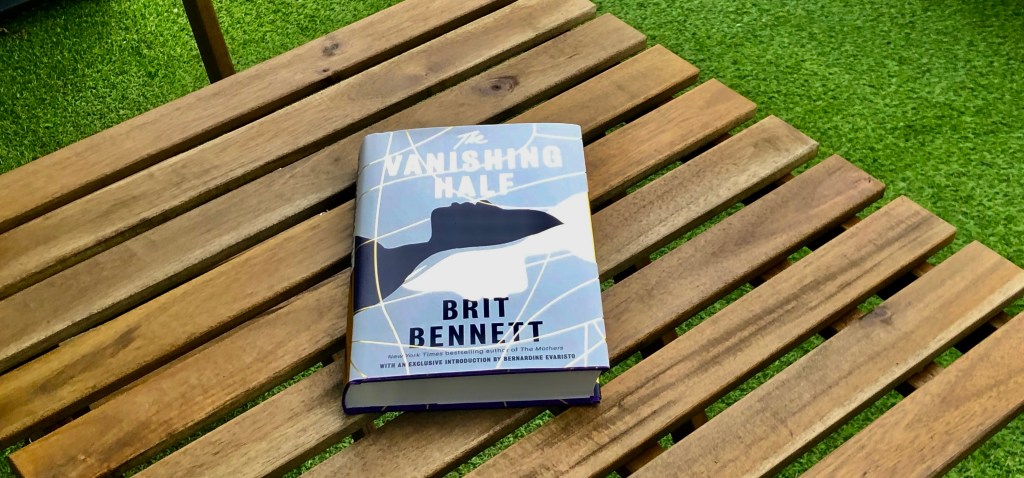
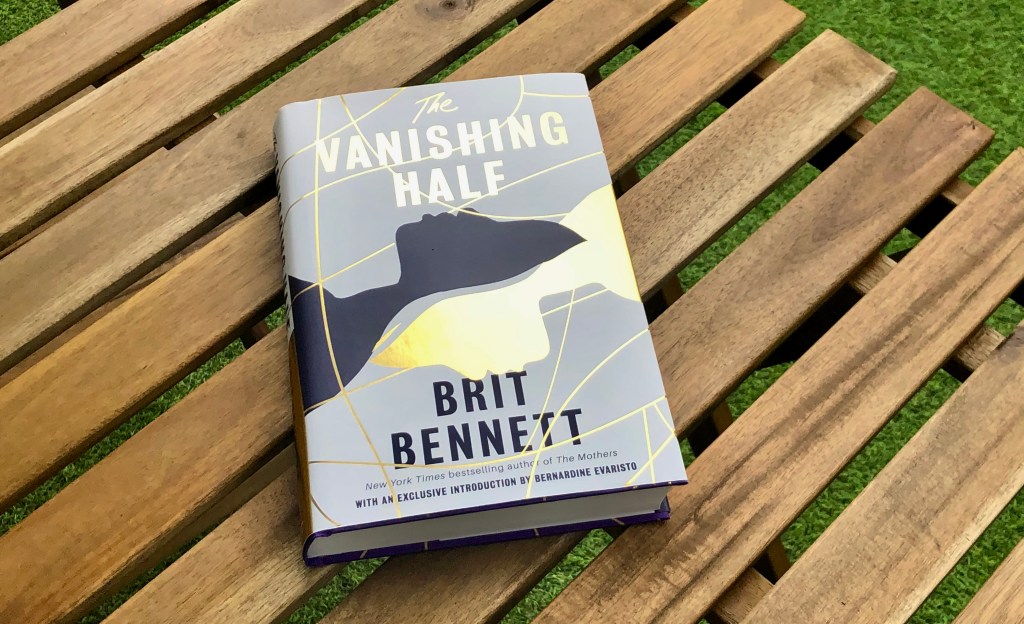
Book Review: The Vanishing Half

She’d grown up in her mother’s eyes, no longer her daughter but a separate woman, complete with her own secrets”

I am going to start with pure honesty and say I have no idea where to start with this review, not only because this book was extremely popular but because this book earned and deserved every bit of the popularity it received. 

I actually put off reading this book because of how popular it was. My main reason for doing this was because I have found that in the past when I have read popular books at the height of their popularity I almost entirely miss the book. I am more likely to rush through the story and to base my enjoyment of the book on what everyone else says it should be. Yes, I am flimsy like that and I sometimes succumb to wanting to just fit in by enjoying a book that everyone enjoys.  With this book however, it turns out that I had no reason to worry.

I am one of those people who likes opening a book with no knowledge of what to expect and I tried to take in as little as was possible about this book (this was very hard because this was one of the most popular books of 2020), I went in as clueless as I could and I still I was not immune to the captivating quality that was this phenomenal book and Brit Bennett’s writing. 

“Important men became martyrs, unimportant ones victims. The important men were given televised funerals, public days of mourning. Their deaths inspired the creation of art and the destruction of cities. But unimportant men were killed to make the point that they were unimportant – that they were not even men – and the world continued on”

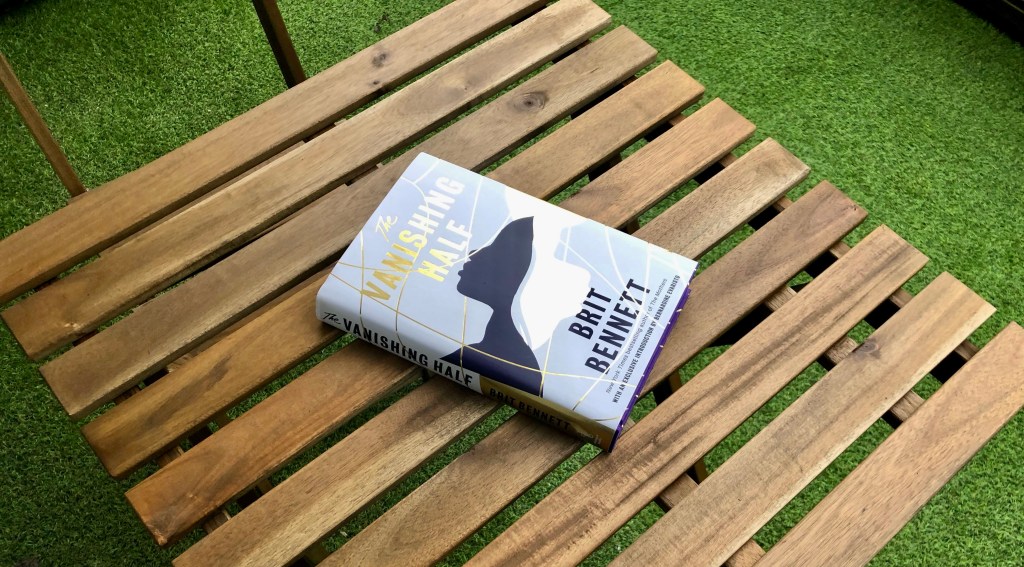
The Vanishing Half is a book about twin sisters who come from a town called Mallard that prides itself on having an entirely light skinned African American population. The book moves between two time periods being the late 1960’s and the early to late 1980’s. In this book we follow the lives of of the sisters as one of them (Stella) makes a decision to pass and live her life as a white woman and the other (Desiree) lives her life as an African American woman. With what appears to be an already rich grounds for a story, Brit Bennett manages to somehow go the extra mile and not only give us the complex issue of sisters being apart from another and a history of passing and but she also allows us to explore the important topics of colourism, racism, abuse, and love. Love was by far my favourite part of this book and if a book should come out that consists of Jude and Reese just walking around eating sandwiches all day I am all here for it!

When I think back to the themes that were explored in this book my head nearly spins when I thinking of how brilliantly Brit Bennett juggled all these topics in 343 pages and while at the same time crafting characters that are easy to bond with on a very deep level. I remember reading a part of the book and pausing to cry because Jude and Reese seemed to be happy and the thought of any more sadness coming to them made me want to end the story right there,  but I didn’t because I was tied to Desiree, Early, Adele, Kennedy and Stella. I needed to know how everyone’s story was going to end. And that is the beauty of this book. 

This book unpacks so much with the patience of someone who is slowly telling you a story while basing your scalp with some coconut oil. The story felt as personal as having an old friend walk though your door, shaking their head in disbelief and saying “girl, have I got a tale for you?” That is how deeply invested I was in this story. Brit Bennett did a great job of telling us a story about the many forms of family and relationships take while opening us up to some very deep (and necessary) topics. 

This was a story of transformation for so many people and it was great to see their masks disappear as the characters became more and more of themselves, while others sunk deeper and deeper into the lives they built for themselves on top of the new versions of themselves that they had created.

I rated this book 4.5 starts (rounded up to 5) because I wanted more from the ending. I loved this book and I think the more I read the more I expected a notch above perfection (which might be a bit unfair) but I think the ending didn’t give me that, it took away a little bit from me and how much I loved this book. 

I think the book is worth the read. I would recommend this book to anyone and everyone. It deserves the accolades it has received so far and it is definitely worth your time.